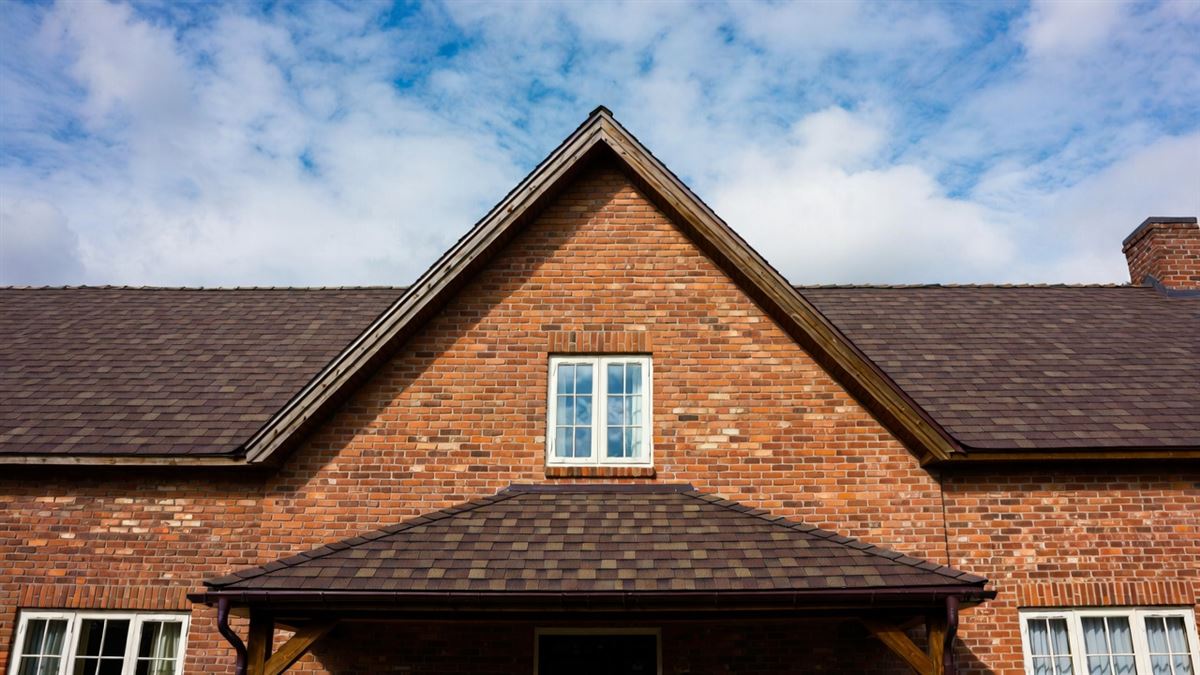
Gable
The triangular upper wall under a pitched roof. On brick homes, this face takes heavy weather and is a common place for open mortar and cracks. Full definition →
Cracked, leaning, or water-stained gables don't fix themselves. Madewell rebuilds and repoints brick and stone gable ends so the peak of your home sheds water, stays square, and looks right again — with a 10-year workmanship guarantee.
A gable is the triangular upper wall that fills the space under a pitched roof. On Memphis brick homes, that often means a full gable end of brick or stone veneer rising two stories to the peak. It is one of the most weather-exposed masonry surfaces on the house: wind-driven rain, freeze-thaw cycles, and the Mid-South's humidity all hit the gable hard.
When mortar joints open, brick spalls, or the gable begins to lean, water gets behind the wall. Left alone, that becomes interior leaks, rotten sheathing, and a much larger rebuild. We catch it early with honest estimates and repair it the right way — color-matched mortar, solid brickwork, and flashing that actually sheds water.
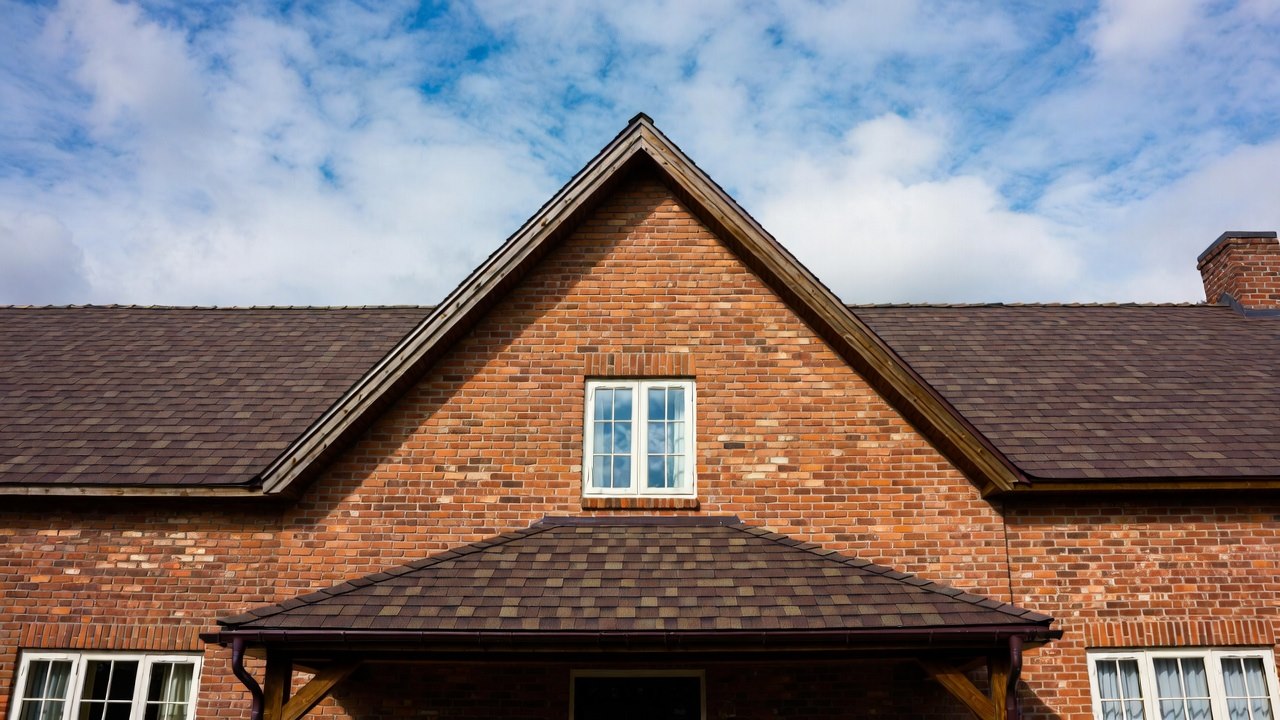
In architecture, a gable is the triangular portion of a wall between the edges of a dual-pitched roof. On a brick ranch, two-story colonial, or Midtown bungalow, the gable end is that whole triangular brick face at the end of the roof ridge — from the eave line up to the peak.
Related pieces you will hear on an estimate:
Humid summers drive moisture into brick. Winter freeze-thaw pries mortar joints open. Wind-driven rain hits tall gable faces hard. That combination is why we see so many East Memphis, Germantown, and Bartlett gables with open joints, white staining (efflorescence), and stair-step cracks near the peak.
If you notice any of these on a brick or stone gable end, schedule a free look before water finds the framing behind the veneer:
Open joints and minor spalling are often a mortar and brick-replacement job. A leaning gable or long-ignored leak can mean taking the veneer down and rebuilding. We tell you which one you actually need — no upselling.
Same standards we use on chimneys and walls: match the brick, match the mortar, stop the water, clean the site.
We inspect the gable face, rake lines, and where the wall meets the roof. You get a clear written estimate of what is structural, what is cosmetic, and what can wait.
Landscaping, walkways, and siding are protected. We stage scaffolding or lifts safely so high gable work is done correctly — not rushed from a wobbly ladder.
Failed mortar is ground out and repointed. Spalled brick is replaced. Leaning sections are taken down and rebuilt plumb. Rake and peak details are restored so water sheds off the triangle.
Where the gable meets the roof, we address flashing and apply breathable waterproofing when it helps. The job site is cleaned. Work is backed by our 10-year guarantee.
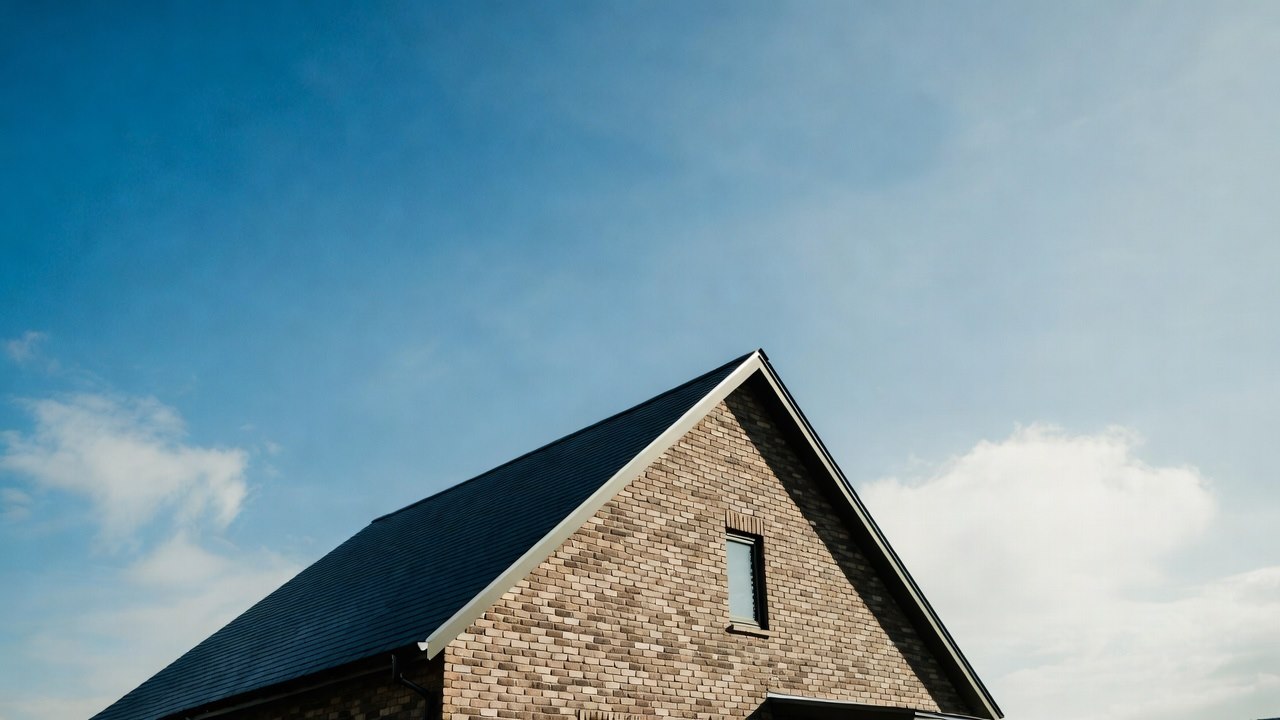
We underline terms across the site so you always know what an estimate means. Tap any definition below for the full entry.
The triangular upper wall under a pitched roof. On brick homes, this face takes heavy weather and is a common place for open mortar and cracks. Full definition →
The entire end wall that includes the gable triangle — often brick veneer over wood framing from foundation to peak. Full definition →
The sloped edge of a gable roof/wall junction. Failed rake mortar and missing flashing are frequent leak sources. Full definition →
Grinding out failed mortar and packing in fresh, color-matched mortar — the most common gable repair. Full definition →
When brick faces flake off after freeze-thaw damage. Common high on gables where water sits in soft brick. Full definition →
Metal that seals roof-to-wall joints. Critical along gable rakes and where a chimney or dormer meets the gable. Full definition →
No. Roofers handle shingles, underlayment, and most metal roof flashing. Gable repair is masonry work — brick, stone, mortar, and the wall structure under the roof peak. When both roof and brick are involved, we coordinate so the wall and the roof edge seal correctly. If your issue is only shingles, call a roofer; if the brick face is cracked, leaning, or crumbling, call us.
It depends on height, access, how much mortar has failed, and whether the gable only needs tuckpointing or a partial rebuild. Small open-joint jobs cost far less than rebuilding a leaning two-story gable end. We give free written estimates with no hidden charges after we see the wall — call 901-443-1036.
Yes. Matching is part of every gable and wall job. We source compatible brick when units must be replaced and mix mortar to blend with the original joint color and texture so the repair does not look like a patch.
Yes. Natural stone and cultured stone gable veneers get the same careful repointing, unit replacement, and water-management approach as brick gables.
Yes. Our workmanship on gable repair and rebuilding is backed by the same 10-year guarantee as our chimney and wall masonry. Our work is MadeWell and made to last.
Open joints on the gable face are usually fixed with color-matched repointing.
Stop water at the rake and peak before it ruins the framing behind the brick.
When cracks run below the eave into the main wall, we repair the full elevation.
Chimneys that sit in a gable end often need crown, cap, and brick work together.
Window openings in a gable wall can crack when the lintel above them fails.
Plain-English definitions of every term on your estimate.
From a crumbling chimney to a hairline mortar crack, Madewell Masonry gives you an honest assessment and a fair price — backed by 40+ years of experience and a 10-year guarantee on our workmanship.