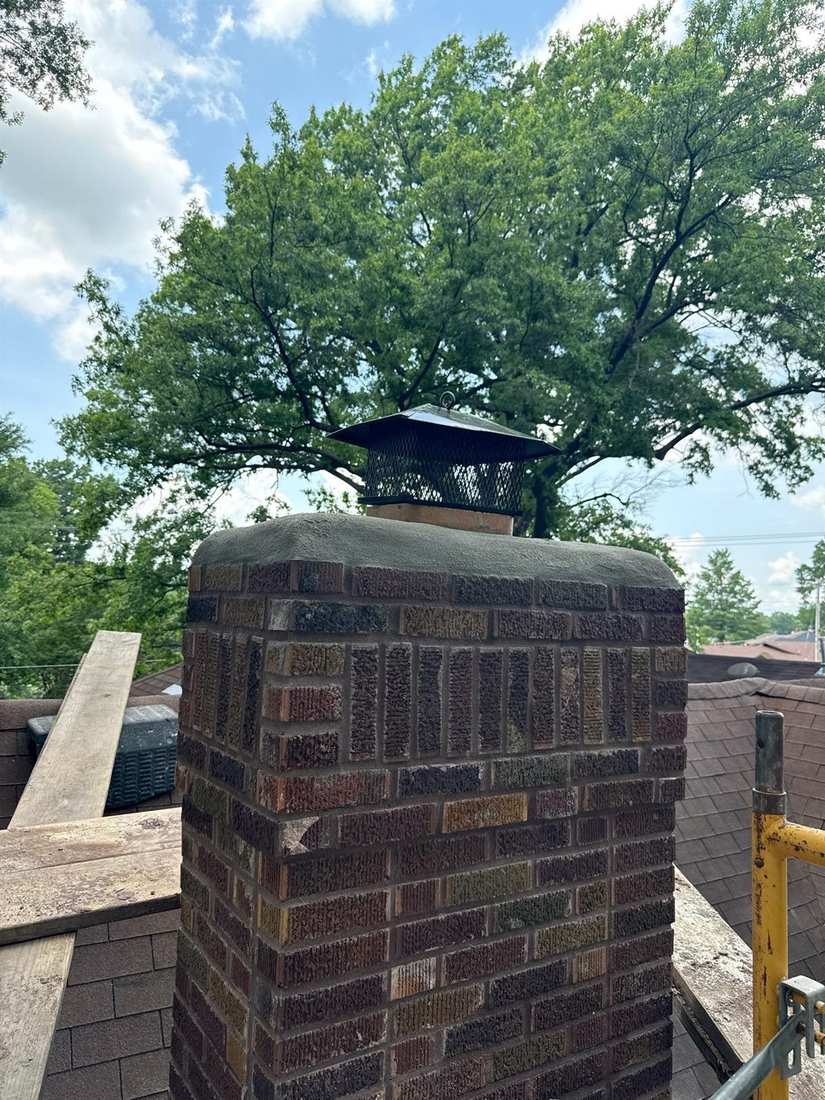
Fireplace, Firebox & Flue Repair in Memphis
Firebox rebuilds, smoke chamber parging, flue relining and top-sealing dampers — chimney fire prevention from the hearth to the cap. A camera finds the holes a look up the flue will miss.
The Parts You Cannot Easily See
We restore the working parts of the fireplace: firebox, smoke chamber (see how the smoke chamber works), flue liner and damper. A sound liner keeps flame and creosote in the flue. That is chimney fire prevention, not a cosmetic upgrade. When the clay tile is gone, a stainless liner puts a sealed flue back so the chimney is safe to burn in.
- Firebox rebuilding with proper firebrick
- Smoke chamber parging for better draft
- Stainless flue relining
- Top-sealing dampers in place of the old throat plate
- Coordination with chase or masonry stack work
Daylight at the Top Is Not a Clean Bill of Health
From the firebox the shaft looks open. A few feet up, the clay tile is gone. That is why we put a camera in before anyone burns again.
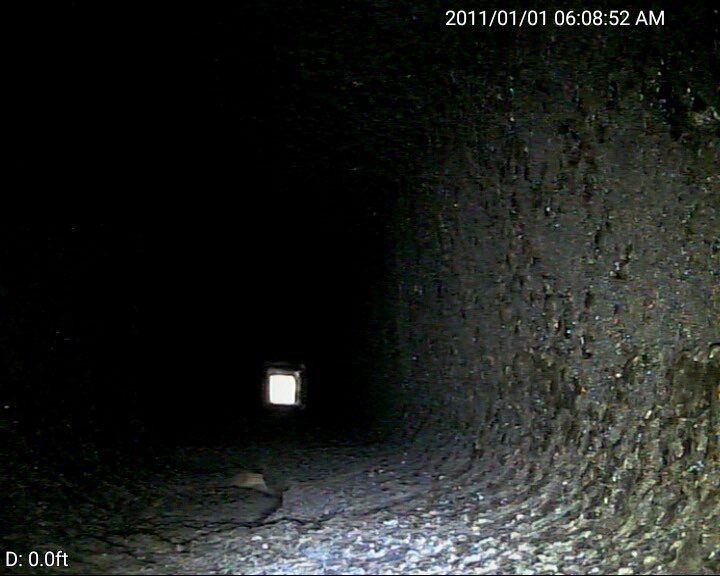
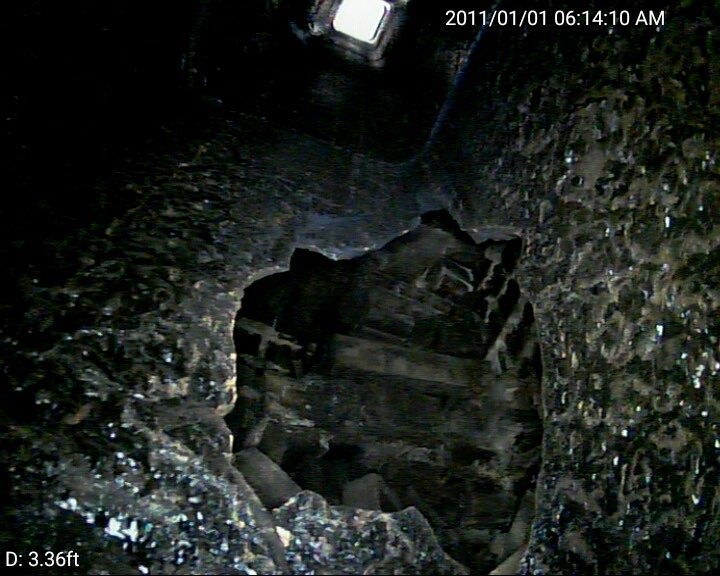
Same inspection. Left is what you see from the hearth. Right is the breach the flashlight never reaches.
NFPA 211 treats a look at what you can reach as a Level 1 check. A Level 2 inspection adds a video scan of the full run — required after a chimney fire, before a sale, or when the appliance changes. Sweeping takes creosote off the tile. It does not close a hole in the tile. Heat and burning residue can leave that breach and sit in the masonry around it. That is a chimney fire path. Relining closes it. Parging takes away the rough surfaces where creosote collects. Together they are how this page stops the next chimney fire, not just how it patches brick.
Chimney Relining in Memphis and the Mid-South
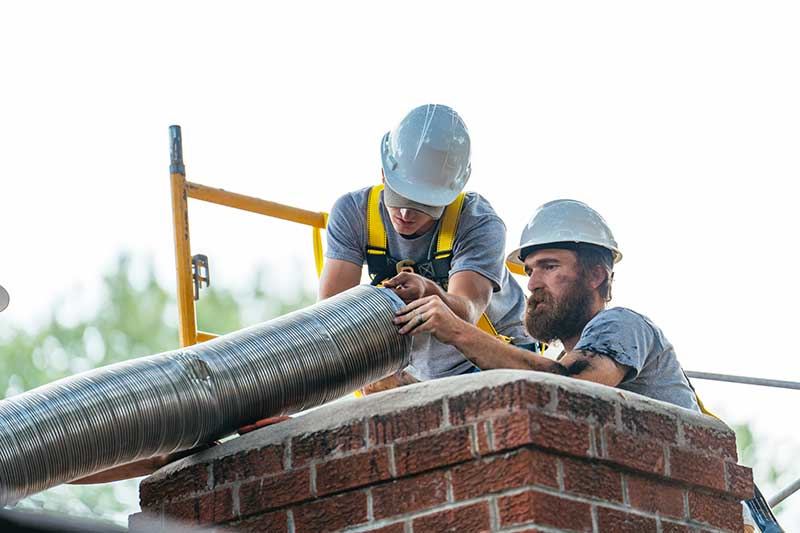
You cannot lift one failed clay tile out of mid-stack without taking the chimney apart. A stainless steel liner does the other job: it drops a new, continuous flue through the old one, firebox to cap, so the chimney can be used again without a tear-down.
Madewell is one of the few Memphis chimney relining companies that will show you the camera footage before recommending that work. The stills above are that kind of evidence. If the stack is already coming down, new clay tile can go in as we rebuild. If the chimney stays standing, stainless is the continuous flue.
When a steel liner is the repair
- A hole, missing section, or collapsed clay tile.
- Tiles cracked through after a chimney fire. The Level 2 scan comes first; the liner often does not survive that heat.
- An unlined flue, common on Mid-South houses built before clay tile was standard.
- A flue sized for an open wood fireplace now venting a stove, insert, or gas appliance.
Most relines are a UL-listed stainless liner, sized to the appliance, insulated, and run as one piece. Insulation keeps flue gases hot — better draft, less creosote — and puts a barrier between the new flue and the failed masonry. Where the clay is still sound and only the joints have opened, a cast-in-place or joint-sealing repair can be the smaller job. We tell you which one the footage supports.
How this stops a chimney fire
Creosote is the fuel. A hole in the clay is the opening. Chimney fire prevention on this job is both: sweep the fuel, then give the fire nowhere to leave the flue. A continuous steel liner contains heat and embers. A parged smoke chamber gives soot less to cling to. A working damper keeps weather out so the next winter does not crack the new work. Skip any of those and the camera still is waiting to happen again.
Do not burn until the flue is a tube again
A steel liner is how some chimneys that are not safe to burn in come back into service. A new cap or a brighter firebox does not replace the missing tile. If the camera shows a breach, the fireplace stays cold until the liner is in. That is chimney fire prevention first, then you burn again.
Water is what ruins most clay in the first place. Relining is often paired with crown and cap work. Annual sweeping still matters after the liner is in — stainless is a better surface, not a creosote-proof one.
The Box Has to Be Firebrick, Not Just Brick
The chamber you see from the hearth takes the flame. Common brick and regular mortar are not rated for that. When the units crack or the joints wash out, we rebuild the box.


Left is a burned-out box. Right is a firebox rebuilt in firebrick so the heat stays where it belongs.
Firebrick and refractory mortar are made for the fire. Once a unit is cracked through, or soot is staining through the joints, heat is already working on the masonry behind the face. A smear of fireplace mortar does not put that rating back. We take the failed units out and rebuild the firebox with proper firebrick so the next season is not eating the same wall.
A rough smoke chamber above that box is where creosote likes to sit. We parge it on the same visit when it belongs on the job.
The Damper Belongs at the Top Now
The old plate sat just above the firebox. We replace it with a seal at the cap you open from a handle at the hearth.


Same damper. Left is the plate at the weather end. Right is the handle that opens it from the firebox.
A throat damper is the cast plate just above the firebox. It rusts, warps, and never really closes. Rain, downdrafts, and the air you paid to heat or cool keep moving through the flue all year.
A top-sealing damper sits at the cap. A stainless cable runs down the flue to a handle in the firebox. Pull to burn. Close it when you are done. The chimney is sealed at the weather end, so the whole flue stays dry and still until the next fire. That is why we install these instead of rebuilding the old plate.
The cap still does its other jobs — spark arrestor, animals out, rain off the crown. Relining and a new damper often land on the same visit because both finish at the top of the stack.
Prefab chase? See wooden chimney repair. Exterior stack, inspections and sweeping: chimney repair hub. Camera work and Level 2 scans live on chimney inspection.
Fireplace Repair Questions
No. An open shaft and daylight only prove the flue is not fully blocked. Clay tiles fail in short sections. A hole a few feet up, around a joint or above the smoke chamber, will not show from the firebox. A camera scan of the full run is what finds it.
Yes. Stop burning. Heat, embers and creosote can leave the flue through that breach and start a chimney fire in the masonry or nearby framing. Sweeping does not close the hole.
It installs a new, continuous, UL-listed flue inside the old one, from the firebox to the cap. You do not have to tear the chimney down to replace a mid-stack clay tile. Insulation around the liner keeps heat in the new flue and off the failed masonry.
It depends on flue height, diameter and whether the liner is insulated, so we will not quote a number sight unseen. What we will do is inspect the flue with a camera, show you the footage, and give you a written price before any work starts.
A Level 2 inspection with a camera. Clay tiles often crack or blow out in that heat. If the scan shows a breach, the chimney stays out of service until it is relined or otherwise made continuous again.
When the firebrick is cracked through, the joints have washed out, or heat is staining and crumbling the units. Common brick and regular mortar are not rated for that fire. We rebuild with firebrick and refractory mortar so the heat stays in the box.
The old damper is a plate just above the firebox. It rusts, warps, and never really seals, so weather and conditioned air move through the flue all year. A top-sealing damper sits at the cap. You open and close it from a handle in the firebox. The flue stays closed at the weather end until you burn.
A smooth mortar coat that seals and smooths the chamber above the damper to improve draft and reduce creosote buildup.
Ready to Protect Your Home? Let's Talk.
From a crumbling chimney to a hairline mortar crack, Madewell Masonry gives you an honest assessment and a fair price — backed by 40+ years of experience and a 10-year guarantee on our workmanship.